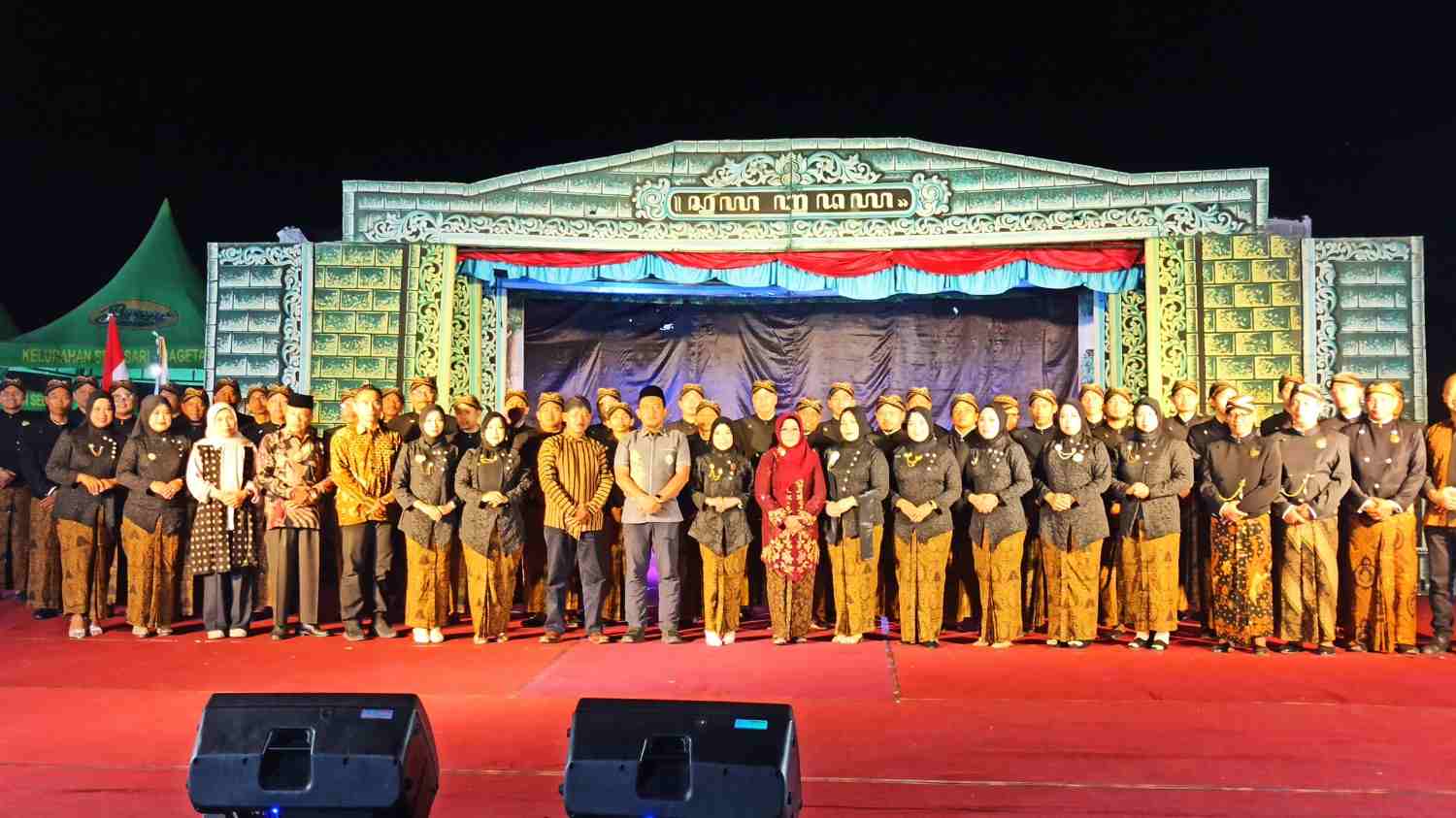
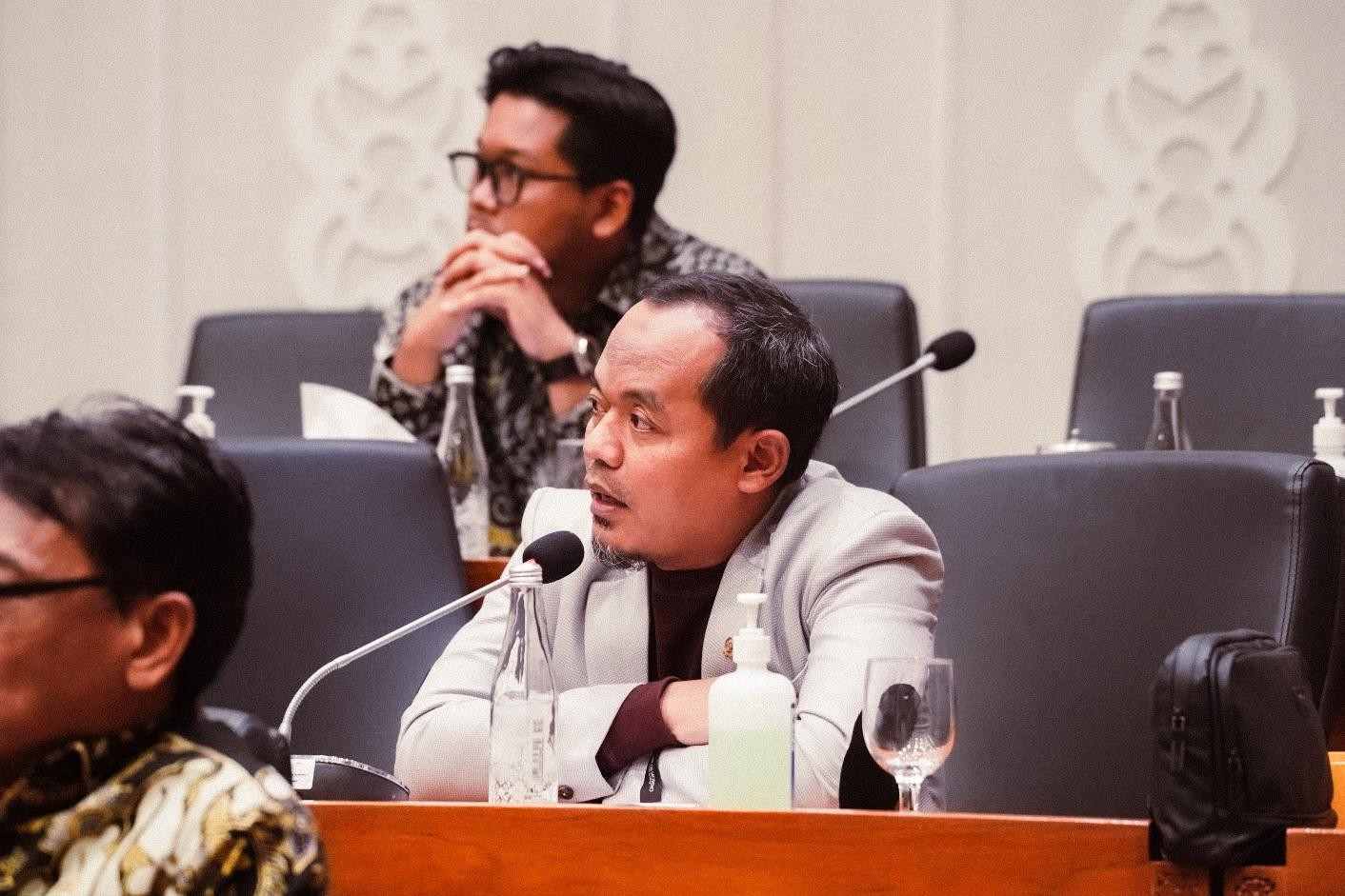
MAGETAN | NARASINFO.ID – The rapid development of artificial intelligence (AI) is transforming education and reshaping the way students access and process information. The issue was highlighted during a presentation on AI and Digital Transformation delivered by Dr. Alim Sumarno, S.Pd., M.Pd., to new students of State University of Surabaya (UNESA) Campus 5 as part of the 2026 Student Orientation Program (PKKMB) on Wednesday (Aug. 19, 2026).
Dr. Alim urged students to regard AI as a tool that supports the learning process rather than a substitute for independent thought and intellectual ability.
He acknowledged that AI enables students to access information, journals, articles, and other learning resources more quickly and extensively. However, he stressed that information generated by AI must still be verified, analyzed, and critically evaluated.
“Use AI to accelerate learning, not to bypass learning,” Dr. Alim said.
He encouraged students to remain actively involved in the learning process and not allow AI to take over their thinking. Students, he said, should understand the information generated by AI while tracing the underlying data and original sources to ensure its accuracy and credibility.
The responsible use of AI also supports several Sustainable Development Goals (SDGs). It contributes to SDG 4 (Quality Education) by strengthening digital literacy and academic integrity, SDG 9 (Industry, Innovation and Infrastructure) through the responsible adoption of emerging technologies, and SDG 8 (Decent Work and Economic Growth) by developing adaptive and problem-solving skills needed in the modern workplace.
AI and the Future of Work
During the discussion session, students asked whether AI could eventually become a competitor to humans in the workplace.
Dr. Alim explained that AI has the potential to replace certain tasks and jobs, but it can also help people work more efficiently and improve productivity.
He emphasized that AI should be used according to the needs of each field of study. Rather than replacing fundamental competencies, technology should strengthen students’ abilities and productivity without compromising their professional credibility.
Because AI is developed by humans, he said, critical thinking remains essential to maintaining human capabilities that technology cannot simply replicate.
Digital Literacy Across Disciplines
The discussion also explored the role of students from different academic disciplines in technological development.
Dr. Alim explained that technological advancement is not limited to students in Informatics Engineering or other technology-related programs. At UNESA, digital literacy is incorporated into learning across study programs.
Students in education-related fields, for example, can contribute by developing educational content and learning methodologies that make effective use of technology. Their role is not merely to adopt AI, but also to ensure that technology provides genuine educational value and helps make complex scientific concepts easier to understand.
Through responsible and critical use of AI, students are expected to become more adaptive learners while maintaining academic integrity and the ability to think independently in an increasingly technology-driven world.